
You may recall a line of bravado from any number of action movies, “That ain’t a threat, it’s a promise.” Sorry to say this part out loud but, the invasive Limnoperna fortunei, also known as the golden mussel, is no longer a hypothetical threat – it’s here in the San Joaquin Valley. More importantly, these mussels can clog pipes, damage pumps, and threaten the reliability of California’s water delivery systems.
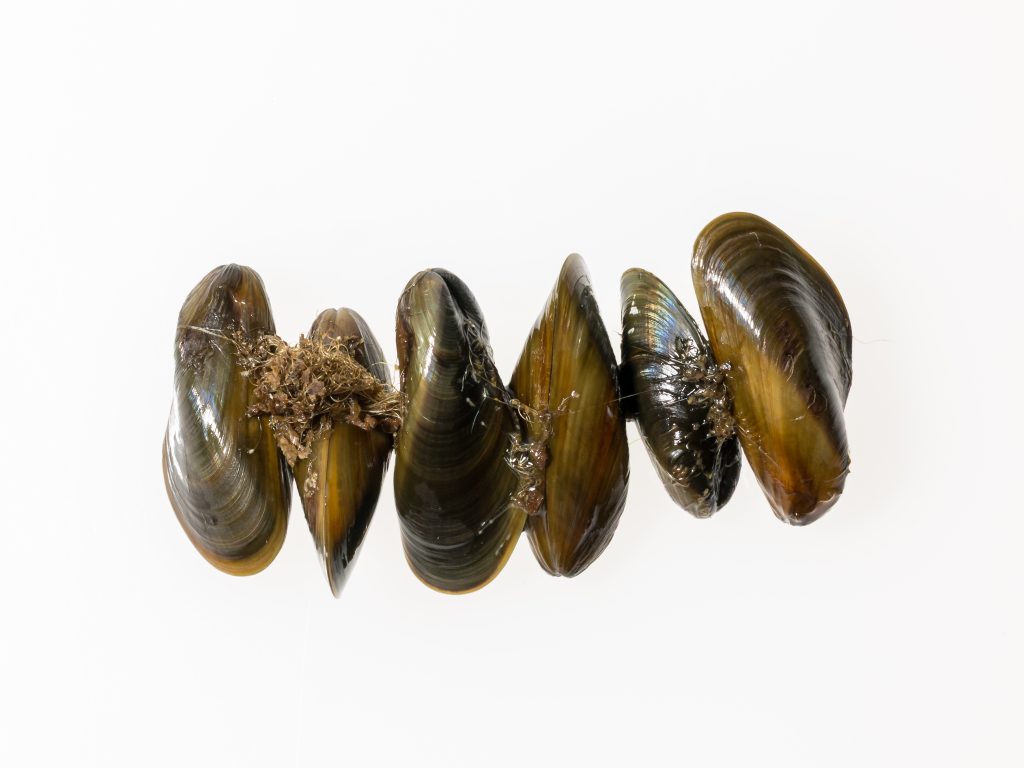
First detected in North America in 2024, golden mussels have rapidly spread throughout California’s interconnected water system. Like COVID, the golden mussel comes from a large country in East Asia. The first new world detection was in South America in the 1990s. They showed up in North America in 2024 and are thought to have been introduced by ship ballast. According to the California Department of Fish & Wildlife (CDF&W), golden mussels have been found from Martinez in the East Bay to San Diego.
California has faced other invasive mussel species. However, unlike the quagga and zebra mussels (not to be confused with the extinct quagga zebra that roamed the plains of South Africa) the golden mussel can survive in a much broader range of water chemistry. Golden mussels can tolerate far lower levels of calcium and more salinity than the quagga or zebra species. This, plus its prolific breeding, has hastened its spread throughout the Valley.
While fish, birds, mammals and even other invertebrates can function as predators to the golden mussel in its native habitat, such predation isn’t happening in California. The golden mussel spawns several times a year producing thousands of plankton-sized veligers, and has migrated from the Delta down the Delta-Mendota Canal and California Aqueduct. They have now spread to the lower reaches of the Friant-Kern Canal through the Cross Valley Canal in Kern County.
The golden mussel has byssal threads that allow them to attach to surfaces and can survive unsubmerged as long as a minimal humidity is present. As a bivalve they filter water altering nutrient content causing harm for other species in their adopted habitat through nutrient reduction and algal blooms. The byssal threads of the golden mussel allow them to attach to both soft surfaces such as silt, even aquatic plants, and hard surfaces such as rocks, and most importantly water conveyance infrastructure.
Although the golden mussels are small (about the size of your fingernail), they can attach to pipes, canal linings, pumps, turnout gates, filter systems etc. in such large numbers as to block the water flow and damage machinery. This creates a direct and growing challenge for maintaining reliable water delivery.
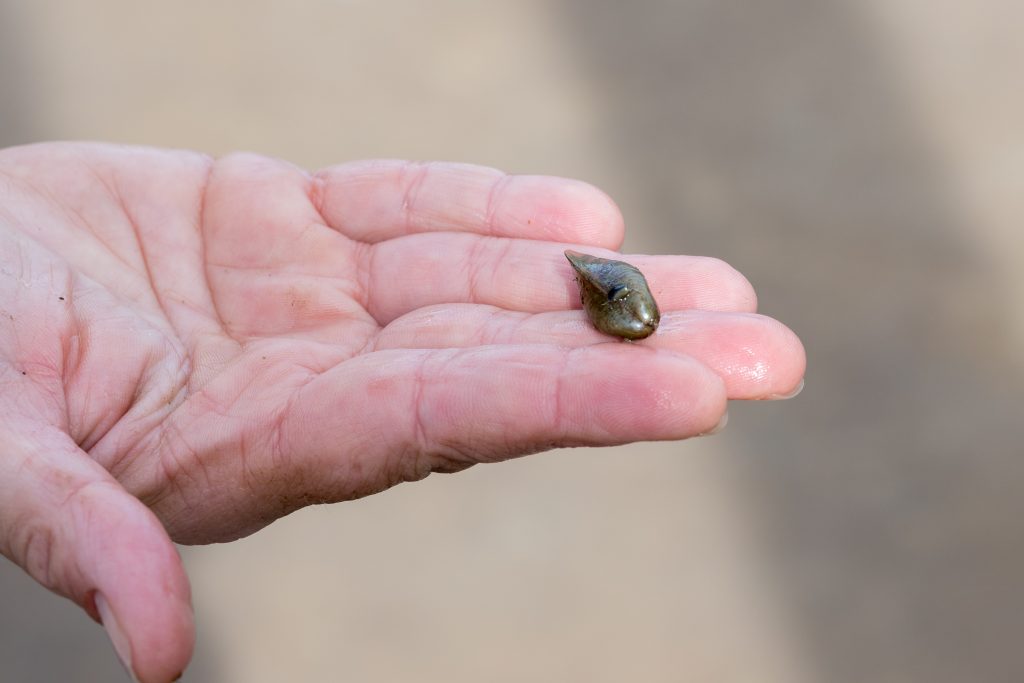
So far the fight against golden mussels has been limited to containment as opposed to eradication. There are not a lot of weapons in the arsenal. Extremely hot water can kill adults and veligers but the scope of the infestation makes this approach limited to smaller, enclosed areas. Dewatering can kill golden mussels, but as stated above even a little water in a pipe can sustain them. There is a copper-based chemical treatment, but its efficacy is limited to certain water temperatures. After the mussels are killed, they leave behind a structure of shells that must be removed. High-pressure spraying, a costly, labor-intensive process, looks to be the best method for clearing the debris and reopening flow paths.
At the present, CDF&W has been working on retooling the quagga and zebra mussel response by focusing on protecting sports fisheries and requiring inspections of watercraft transportation (moving boats from one lake to the other) to deal with the golden mussel. It’s true, we don’t need to spread golden mussels to recreational spots, but this approach won’t do much for protecting and maintaining the main irrigation conveyance systems California agriculture depends on.
One thing we can do to help stem the spread of golden mussels is to report any possible sighting to CDF&W and your local water and irrigation districts. But reporting alone is not enough, a long-term solution needs to be determined and applied to protect the extensive water infrastructure and more.